Pitched Roof Waterproofing: Systems, Materials, and Key Considerations
The art and science of pitched roof waterproofing represents one of humanity’s oldest building challenges, a continuous endeavor spanning centuries from ancient Roman tile systems to modern synthetic membranes, driven by the fundamental need to keep water where it belongs: flowing harmlessly away from the structures beneath which families live, work, and build their futures. In Singapore’s tropical climate, where rainfall measures not in modest inches but in formidable millimetres exceeding 2,400 annually, the pitched roof stands as the primary defence against nature’s persistent attempts to reclaim every building, making proper waterproofing not merely advisable but absolutely essential to structural longevity.
The Enduring Logic of Pitched Roof Design
The pitched roof evolved through generations of trial, error, and accumulated wisdom. Its fundamental principle remains elegantly simple: gravity becomes the builder’s ally. Water, obeying physical laws as old as the earth itself, runs downhill along sloped surfaces, provided those surfaces shed water faster than it can penetrate. The steeper the pitch, measured as rise over run, the more effectively water flows away from vulnerable penetration points.
Singapore’s architectural landscape features pitched roofs predominantly on landed properties, certain conservation shophouses, and traditional kampung structures where clay tiles or modern substitutes crown buildings with distinctive profiles. These roofs typically employ pitches ranging from 20 to 45 degrees, angles proven through long experience to balance water shedding efficiency against material costs and structural load considerations.
Traditional and Modern Waterproofing Systems
Pitched roof waterproofing relies upon layered defence systems where multiple components work in concert. The primary waterproofing layer, whether clay tiles, concrete tiles, metal sheets, or synthetic shingles, forms the visible outer surface bearing the brunt of weather assault. Beneath this outer shield lies the often-overlooked secondary layer: the underlayment or sarking that provides crucial backup protection should the primary layer fail.
Historical practice employed simple tar paper or felt underlayments that served adequately in gentler climates but proved insufficient against tropical downpours. Modern systems utilize advanced materials:
- Breathable synthetic underlayments permitting water vapour escape whilst blocking liquid water penetration, preventing moisture accumulation within roof assemblies
- Self-adhering rubberized membranes providing superior protection around valleys, eaves, and penetrations where water concentrates during heavy rainfall
- Reflective barriers combining waterproofing properties with heat reflection, addressing Singapore’s intense solar exposure that accelerates material degradation
- Drainage mat systems creating air gaps between underlayment and roof covering, facilitating moisture evaporation and extending material lifespan
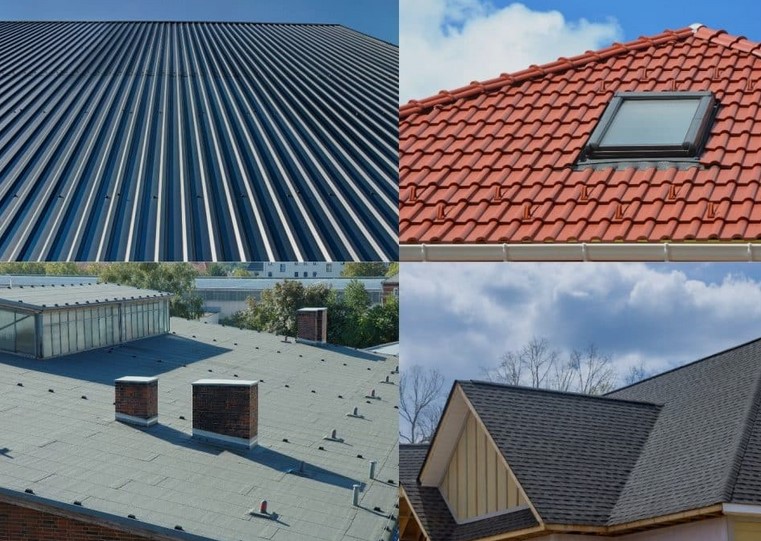
The primary roofing materials themselves have evolved considerably. Clay tiles, used for millennia across Mediterranean and Asian climates, provide excellent durability and natural ventilation properties but require substantial structural support. Concrete tiles offer similar aesthetics at lower weight and cost. Metal roofing systems, particularly those with modern coatings resisting tropical corrosion, deliver remarkable longevity exceeding 50 years when properly maintained.
Critical Vulnerable Points
No matter how excellent the primary pitched roof waterproofing materials, certain locations demand special attention where water concentrates or where roof planes intersect. Valleys, where two roof slopes meet, channel tremendous water volumes during storms. Flashings at these junctions must accommodate thermal expansion whilst maintaining watertight seals against wind-driven rain.
Ridge vents and hip caps, positioned at roof peaks where opposing slopes converge, require careful installation ensuring ventilation benefits do not compromise water resistance. Penetrations for plumbing vents, electrical conduits, and exhaust fans create potential entry points where sealants must remain flexible across temperature ranges whilst resisting ultraviolet degradation.
As one experienced pitched roof waterproofing contractor observes, “The finest roof tiles in the world prove worthless if the valleys leak or the ridge caps allow wind-driven rain penetration. Excellence in roofing lies not in any single component but in meticulous attention to every junction, every transition, every point where water might exploit poor workmanship.”
Installation Principles and Workmanship
Proper installation techniques separate temporary protection from lasting performance. Underlayment must be installed starting at eaves and progressing upward, with each course overlapping the one below by specified amounts ensuring water cannot run beneath the protective barrier. Tiles or shingles follow similar progressive installation, with side and vertical overlaps determined by roof pitch, exposure conditions, and manufacturer specifications developed through decades of field performance data.
Fastening methods prove equally critical. Nails or screws must penetrate adequately into supporting structure without overdrive that crushes materials or underdrive that permits movement. In Singapore’s high-wind environments, particularly during monsoon seasons, supplementary mechanical fastening or adhesive strips prevent tile displacement that creates immediate leak paths.
Maintenance Requirements and Inspection Protocols
Even excellently installed pitched roof waterproofing systems require regular maintenance. Debris accumulation in valleys and behind tiles retains moisture, accelerating corrosion and organic growth that compromises material integrity. Moss and algae, thriving in Singapore’s humid conditions, root into porous materials, creating channels for water penetration whilst trapping moisture against roof surfaces.
Biannual inspections, ideally following major monsoon periods, identify developing problems whilst repairs remain simple and inexpensive. Missing tiles, displaced flashings, deteriorated sealants, and blocked gutters represent common issues easily remedied when caught early but catastrophic when neglected.
The Testament of Time
The pitched roof endures as architectural form precisely because pitched roof waterproofing principles align with fundamental physical realities. Water runs downhill. Overlapping layers shed moisture before it penetrates. Proper installation and conscientious maintenance extend protection across generations. These truths, proven through centuries of human building experience across diverse climates, remain as valid today as when ancient craftsmen first laid tiles upon timber frames, understanding that shelter from the elements represented not luxury but necessity for civilized life to flourish beneath protective slopes that turn away the rain.